About Us
Ardbrecknish House - A House with History
Explore Argyll & Loch Awe
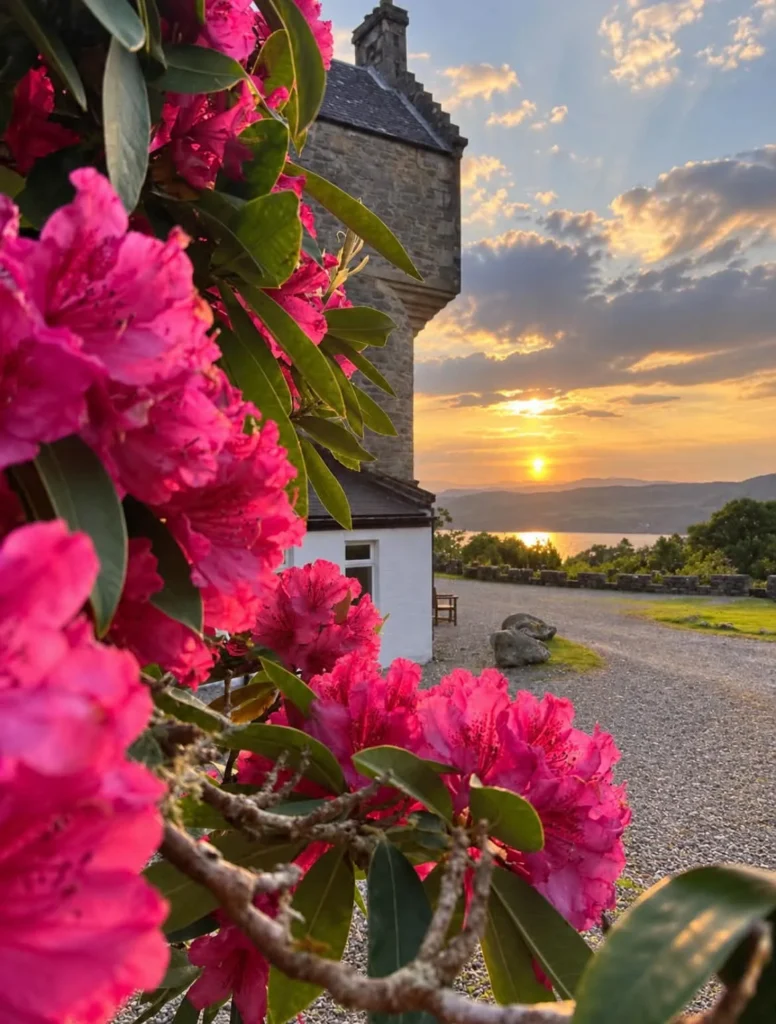
Ardbrecknish House is believed to be the oldest surviving and still-operational building around the shores of Loch Awe. While title deeds record a change of ownership in 1633, earlier records and historic maps suggest that parts of the house may date back to the late 15th century, with architectural features indicating possible medieval origins.
The original West Tower was built as a fortified house, perhaps to protect its occupants from local unrest. Over the centuries, the house was extended and adapted, including its time as a shooting lodge and later as a hotel.
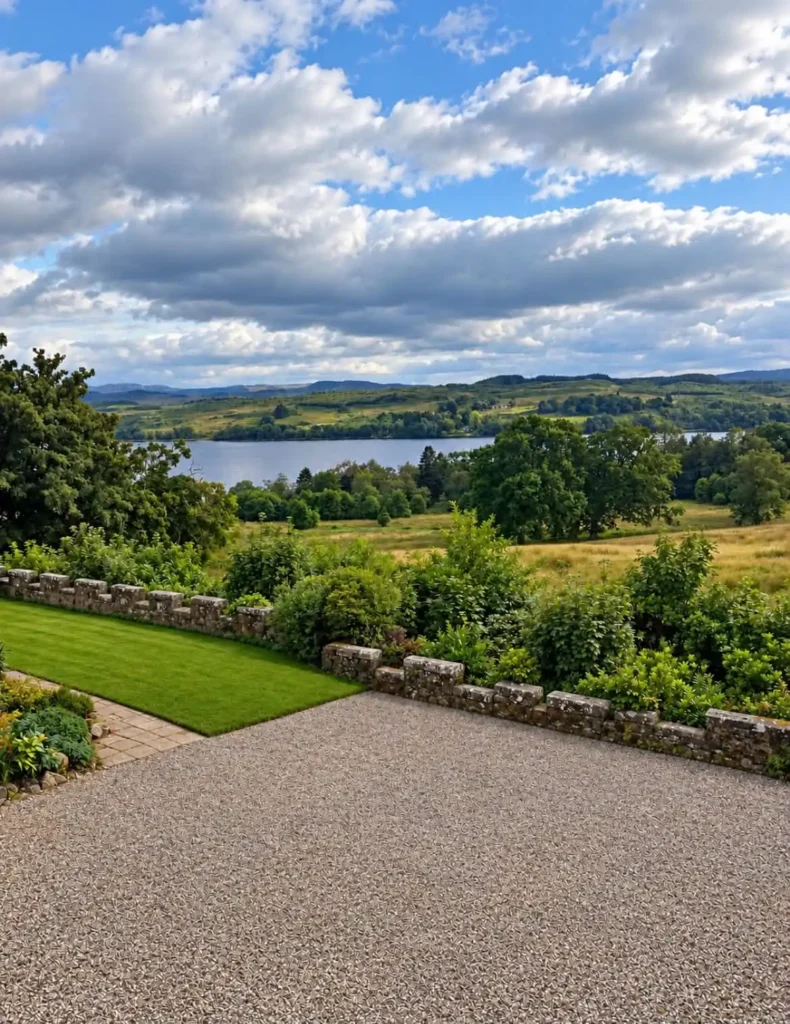
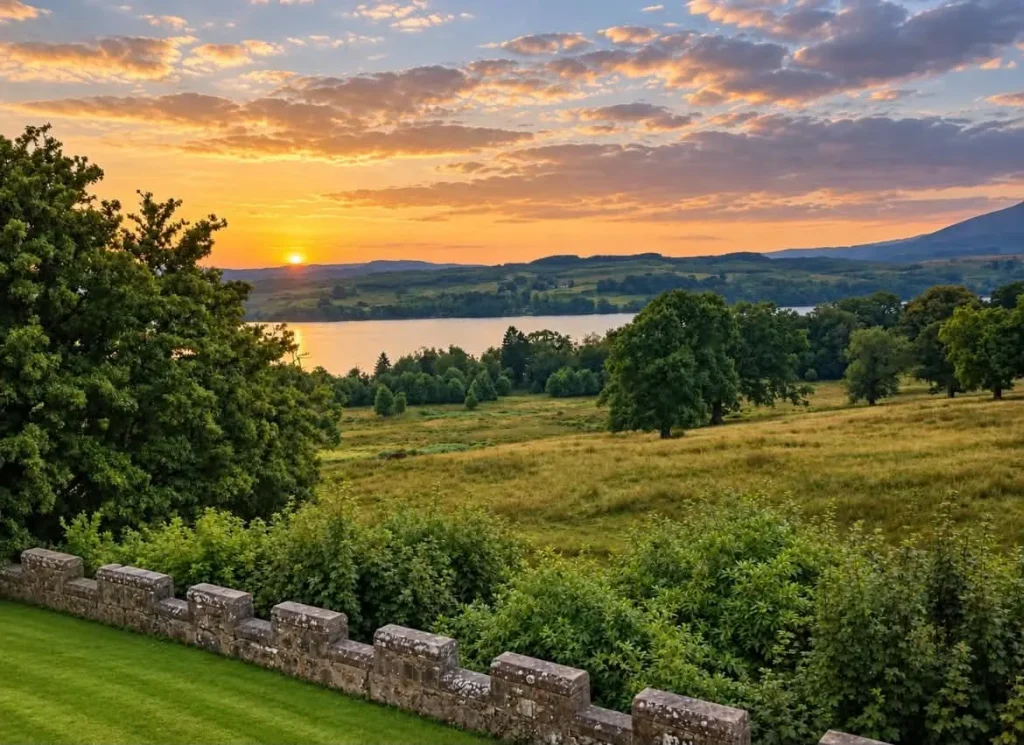
Today, Ardbrecknish House stands in six acres of woodland garden, alongside the original walled garden on the shore of Loch Awe. The old jetty remains a reminder of the days when steamers delivered supplies to the estate.
Like many historic Highland homes, Ardbrecknish House has its share of local stories. Guests and visitors have long spoken of friendly spirits, mysterious sounds and the occasional unexplained event—adding another layer of atmosphere to this remarkable place.
Explore Argyll & Loch Awe
Nature’s Paradise
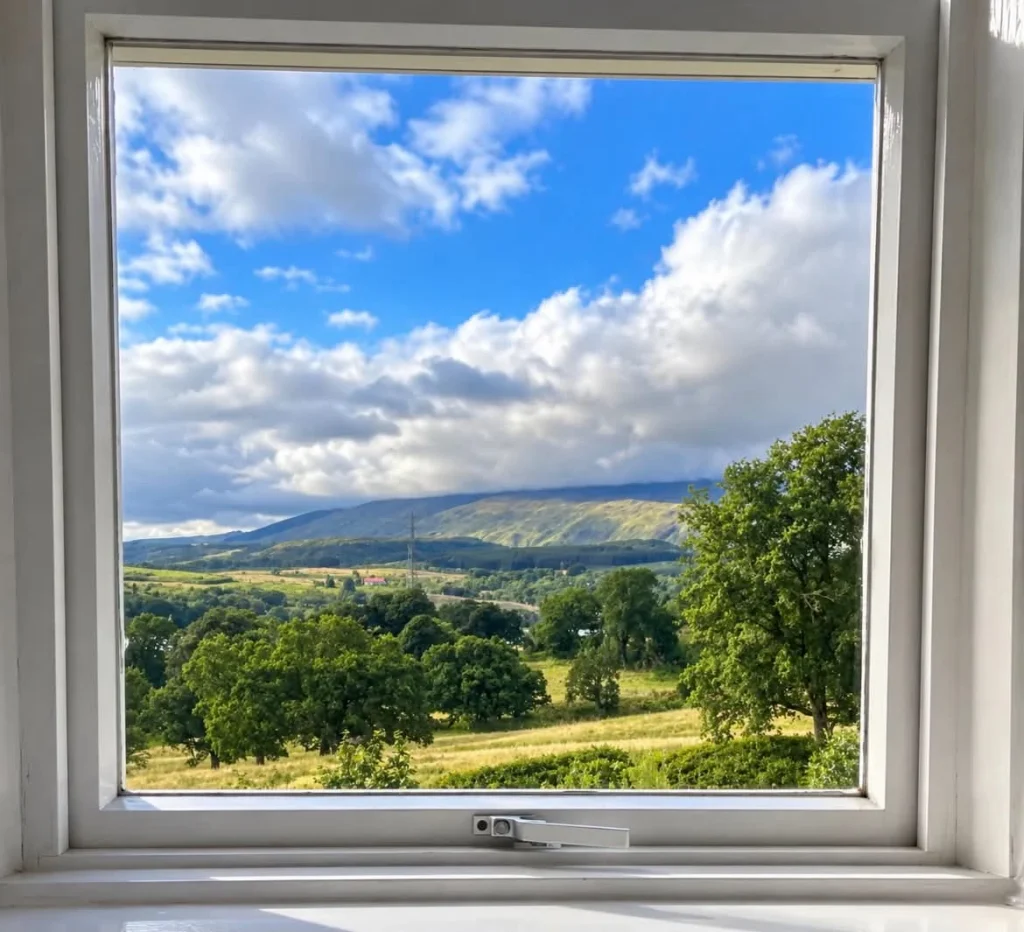
Ardbrecknish House sits in the heart of Argyll and the Isles, an area often described as Nature’s Paradise. Here, mountains rise above quiet lochs, ancient woodland meets the water’s edge and wildlife thrives in an unspoilt landscape.
The grounds are ideal for woodland and waterside walks, with picnic spaces and barbecue facilities available for guests to enjoy.
Outdoor Adventures
The surrounding area offers outstanding opportunities for walking, climbing, cycling, fishing, boating and wildlife watching.
Ben Cruachan and its neighbouring Munros dominate the landscape around Loch Awe. Whether you are an experienced hillwalker, a Munro bagger or simply enjoy a scenic stroll, there are routes to suit a wide range of abilities.
Cyclists and mountain bikers can explore marked forestry routes, quiet roads and more challenging off-road tracks. The Two Loch Trail takes riders along the shores of Loch Awe and Loch Avich before entering Inverinan Forest.
Loch Awe is also perfect for exploring by boat. Hire a motorboat, discover hidden bays and islands, and visit ruined castles and historic sites accessible only from the water.
Wildlife Watching
Loch Awe is wonderfully undeveloped, with much of the surrounding landscape accessible only by foot or boat. This makes it a special place for wildlife lovers.
Look out for eagles, ospreys, harriers, red and roe deer, red squirrels, pine martens and otters. The loch and surrounding moorland are also home to ducks, divers, grouse, owls, butterflies and a rich variety of wildflowers.
Further west, boat trips from Oban and the sea lochs offer opportunities to see seals, dolphins, whales, seabirds and, at certain times of year, basking sharks.
Activities & Attractions
Loch Awe Boats
Located beside Ardbrecknish House, Loch Awe Boats offers the opportunity to launch your own boat where you can fish, explore the islands and discover the castles and hidden corners of Loch Awe. Fishing permits can be arranged here.
Inverawe Smokery & Fishing Centre
A short journey from Ardbrecknish House, Inverawe offers fly-fishing experiences for all ages, a smokery exhibition, shop, café and beautiful riverside and forest walks.
Adventure Activities
For guests looking for something more energetic, the wider area offers white-water rafting, canyoning, climbing, quad biking, clay shooting, archery, pony trekking and family activities.
Popular options include:
– Vertical Descents for rafting and canyoning
– Quadmania Dunoon for quad biking, clay shooting and archery
– Lettershuna Riding Centre for horse riding
– Escape rooms in the former Inverary Jail and Courthouse
Historic Argyll
Argyll is rich in natural and cultural heritage. Hire a boat on Loch Awe and visit Kilchurn Castle, built by Colin Campbell in 1450, along with Inishail, Loch Awe’s largest island.
Known as the burial island, Inishail is home to the remains of an early Cistercian nunnery and a collection of well-preserved medieval grave slabs.